The Norwich Liberty Pole: A Symbol of Courage, Unity, and Resistance
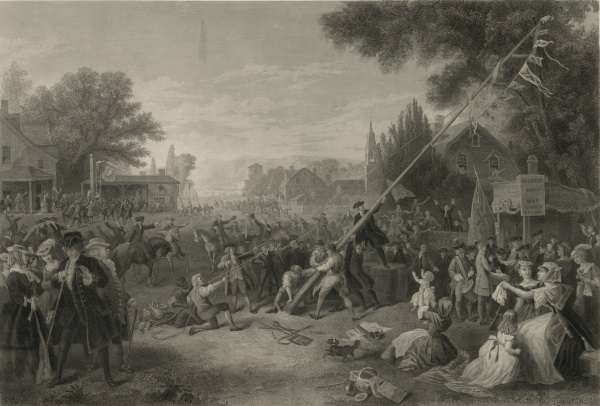
In 1765, as opposition to the Stamp Act spread throughout the colonies, Norwich residents raised a Liberty Pole on the Norwichtown Green as a bold symbol of resistance, unity, and self-government. More than 250 years later, a new Liberty Pole will be raised on that same historic ground as part of America’s 250th commemorations, honoring Norwich’s pivotal role in the fight for independence and reviving a legacy of local courage and patriotism.
The Liberty Pole was more than a marker. It was a gathering place. Beneath it, residents came together to hear news, listen to speeches, share ideas, and strengthen their resolve during a time of growing conflict with Great Britain. For Norwich, the pole represented the community’s early commitment to liberty and its place in the larger movement that would lead to the American Revolution.
A Revolutionary Symbol in Norwich
Liberty Poles were raised in public spaces throughout the colonies before and during the American Revolution. They often displayed flags, standards, or liberty caps and served as rallying points for colonists who opposed British taxation and control.
In Norwich, the Liberty Pole stood on the Norwichtown Green, one of the community’s most important civic spaces. Historical accounts describe the pole as being raised by local Sons of Liberty in response to the Stamp Act.
A tent known as the Pavilion was also erected beneath the pole. There, residents gathered frequently to discuss the latest news, hear speeches, and encourage one another in their opposition to the Stamp Act. The Green became a public stage for civic action, and the Liberty Pole became one of Norwich’s most visible symbols of resistance.
Norwich and the Sons of Liberty
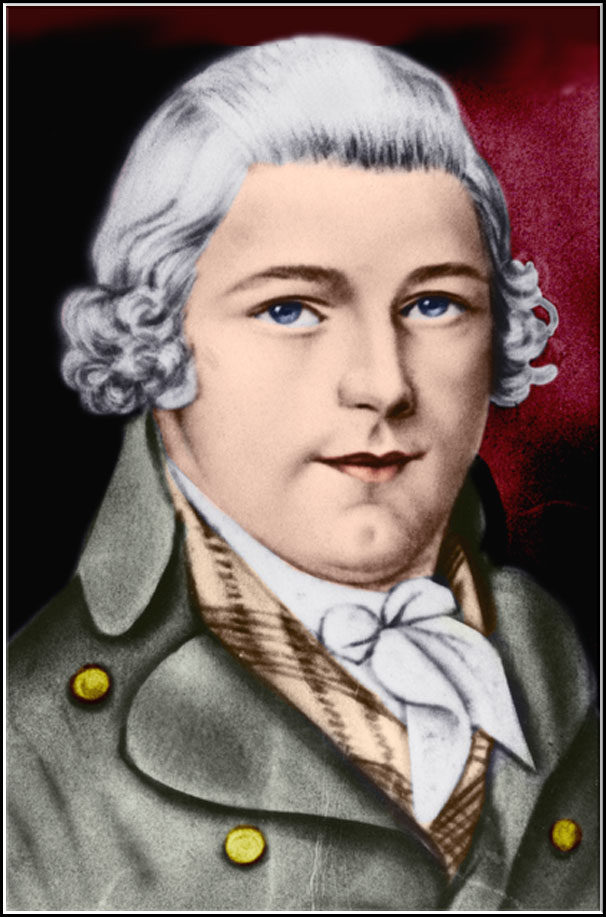
Norwich played an important role in Connecticut’s resistance movement. The Sons of Liberty in Connecticut were organized at Durkee’s Tavern on Bean Hill, with leaders including Colonel Israel Putnam of Pomfret, Captain Hugh Ledlie of Windham, and Captain John Durkee of Norwich.
Their actions were part of a larger colonial response to British policies that many colonists believed violated their rights. By raising a Liberty Pole on the Norwichtown Green, Norwich residents joined communities across the colonies in using public symbols to declare their opposition to taxation without representation and their support for liberty.
A Tradition Remembered
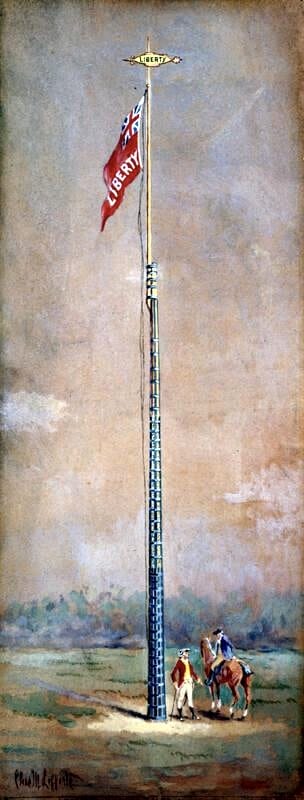
The Liberty Pole remained part of Norwich’s patriotic memory long after the Revolution. Later accounts connect Norwich’s Liberty Pole tradition to the Civil War era, when Liberty Poles and Union Poles were raised or rededicated in many communities as symbols of national unity and loyalty to the Union.
Historic references also suggest that past Liberty Poles in Norwich were substantial structures, with some later poles described as reaching heights of approximately 75 to 92 feet. The new Liberty Pole planned for the Norwichtown Green will be historically inspired while scaled appropriately for the modern landscape.
The New Liberty Pole Project
As part of America’s 250th commemorations, a new Liberty Pole will be raised on the Norwichtown Green to honor the original 1765 pole and the generations of Norwich residents who gathered there in defense of liberty.
The new installation is planned as a historically inspired wooden pole, approximately 35 feet tall, placed in a respectful and visible location on the Green. While historic poles were often much taller, the new pole is designed to reflect the original tradition while meeting modern safety, scale, and preservation considerations.
A permanent interpretive plaque will accompany the pole, helping residents and visitors understand the history of the site and the meaning of Liberty Poles in the Revolutionary era. Together, the pole and plaque will restore an important piece of Norwich’s Revolutionary history to public view.
America’s 250th Norwich CT Committee is proud to help bring this important symbol of local Revolutionary history back to public view.
 America 250 Norwich CT Commission